
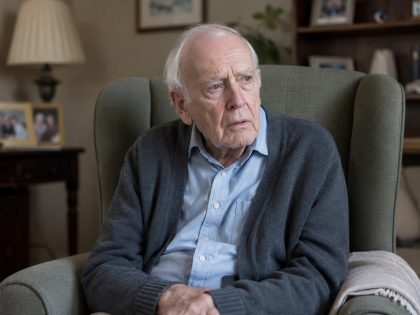
Anticipatory grief is the emotional experience of grieving someone who is still alive. It often arises in situations where a loved one is gradually changing due to illness, and the person you once knew feels increasingly out of reach. This can be especially present in cases of repeated strokes or progressive conditions such as dementia and Alzheimer’s disease.
When someone has a series of strokes, the impact can be cumulative and unpredictable. After each event, there may be changes in memory, personality, speech, mobility, or emotional regulation. Families often describe a sense of “losing them in stages.” One day your loved one may still recognise you and share familiar ways of being; after another stroke, that connection may feel different or even not there at all. This changing reality can be deeply confusing. You are still caring for the same person physically, yet emotionally it can feel like you are repeatedly meeting someone different.
Similarly, dementia and Alzheimer’s disease gradually affect cognition, memory, and identity. Early on, changes may be subtle; forgetfulness, confusion, or small changes in behaviour. Over time, these changes can become more evident, affecting communication, recognition, and personality. Loved ones may still be physically present, but their sense of self, shared history, or emotional reciprocity may fade. This ongoing progression often creates a unique form of grief that arrives in waves.
Anticipatory grief can include a wide range of emotions; sadness, anger, guilt, anxiety, and emotional exhaustion. You may grieve the loss of shared conversations, future plans, or the relationship you once had. At the same time, you may feel conflicted, still needing to show up as a caregiver, while internally mourning the person your loved one used to be. This tension can be isolating, especially when you try to “stay strong” because the person is still alive, and act as everything is fine.
One of the most challenging aspects is that there is no clear point of loss to mark, no moment where grief officially begins. Instead, it accumulates over time. This can make it harder to recognise your own emotional needs or seek support, because it may feel like you “shouldn’t” be grieving yet.
Support in anticipatory grief often involves allowing space for these complex feelings without judgement. Talking openly with trusted friends, joining support groups, or speaking with a counsellor can help process what you are experiencing. It can also be important to find ways to stay connected to your loved one in the present moment This might include adapting how you communicate, focusing on moments of comfort, or simply being present together without expectation.
There is no right way to experience anticipatory grief. Each relationship and each illness is different. What matters most is recognising that your emotional response is valid, even when the person you are grieving is still physically here.